Canada Pharmaceutical

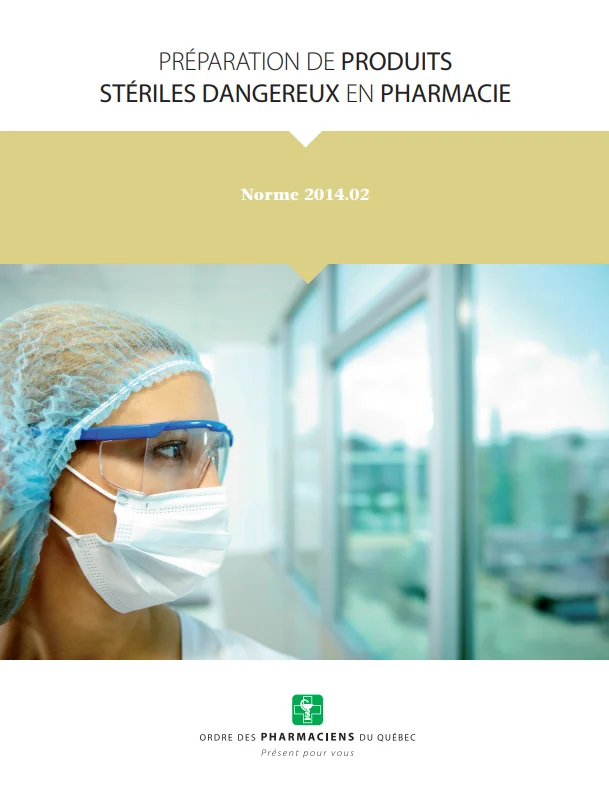
OPQ Préparation de produits stériles dangereux (Hazardous Sterile Compounding Standards)

The Ordre des pharmaciens du Québec (OPQ) has established rigorous standards for the preparation of hazardous sterile drugs to protect pharmacy personnel, patients, and the environment. These standards require specialized facilities, engineering controls, and rigorous procedural adherence. ATEK's environmental monitoring platform helps Quebec pharmacies maintain compliance with OPQ requirements through continuous monitoring of critical environmental parameters.

Authority: Ordre des pharmaciens du Québec (OPQ)

Why Choose ATEK for OPQ Steriles Dangereux Compliance

Protect Pharmacy Staff

Continuous monitoring of cleanroom conditions ensures hazardous drug handling areas maintain proper containment.

Maintain Regulatory Compliance

Complete environmental documentation provides evidence of OPQ standard compliance for inspections.

Immediate Alert System

Real-time alerts notify staff immediately if environmental parameters deviate from required standards.

Comprehensive Audit Trail

Immutable records of all environmental conditions support regulatory investigations and audits.

OPQ Steriles Dangereux Requirements

Key compliance requirements and how ATEK addresses each one.

Requirement Description ATEK Solution
opq-1
Negative Pressure Cleanroom
Compounding areas must be housed in negative pressure cleanrooms to contain hazardous drug particles and protect personnel.
Negative Pressure Monitoring
Real-time monitoring of cleanroom pressure differentials to ensure negative pressure is maintained relative to surrounding areas.
opq-2
ISO Class 7 Environment
Hazardous sterile compounding must occur in an ISO Class 7 buffer room environment with appropriate air classification.
Air Quality Verification
Environmental monitoring data tracks particle counts and air classification compliance with ISO Class 7 standards.
opq-3
Biological Safety Cabinet (BSC)
A Class II Type B2 biological safety cabinet must be used for hazardous drug compounding.
BSC Operation Tracking
Monitor airflow and operational parameters of biological safety cabinets to ensure proper functioning during compounding activities.
opq-4
Environmental Monitoring
Regular environmental monitoring including viable and non-viable particle sampling must be performed.
Continuous Environmental Monitoring
Automated particle counting and environmental condition tracking with comprehensive data logging for regulatory audits.
opq-5
Personnel Protective Equipment (PPE)
Specific PPE requirements including double gloving, gowns, respirators, and shoe covers must be followed.
Condition Documentation
Environmental data provides context for PPE requirement validation and worker safety protocols.
opq-6
Decontamination Procedures
Established procedures for decontamination and deactivation of hazardous drugs must be implemented.
Decontamination Verification
Document environmental conditions before and after decontamination procedures to verify effectiveness.
opq-7
Hazardous Waste Handling
Specific protocols for collection, storage, and disposal of hazardous waste must be documented and followed.
Incident Tracking
Environmental monitoring data correlated with hazardous waste handling documentation for complete compliance records.
opq-8
Training and Competency
Personnel must receive specialized training on hazardous drug handling before performing compounding duties.
Training Support Documentation
Environmental records provide evidence of safe operating conditions that support personnel training and competency validation.

Understanding OPQ Hazardous Sterile Compounding Standards

The Ordre des pharmaciens du Québec (OPQ) is the professional regulatory body for pharmacists in Quebec. The OPQ has established comprehensive standards for the preparation of hazardous sterile drugs to protect pharmacy personnel from occupational exposure and ensure patient and environmental safety.

Scope and Application

OPQ standards apply to all Quebec pharmacies involved in the preparation of hazardous sterile drugs, including:

  • Hospital Pharmacies — Preparing hazardous drugs for patient administration
  • Specialty Pharmacies — Dedicated to oncology and specialized drug preparation
  • Compounding Pharmacies — Preparing customized hazardous drug formulations
  • Veterinary Pharmacies — Handling hazardous veterinary pharmaceuticals

Key Requirements

Facility and Containment Requirements:

Compounding areas must be physically separated from regular pharmacy operations and maintained under negative pressure relative to adjacent spaces. A negative pressure of at least 0.01 to 0.05 inches of water column is typically required to ensure proper containment.

Biological Safety Cabinet (BSC):

A Class II Type B2 biological safety cabinet must be used for all hazardous sterile compounding. The BSC provides:

  • Worker protection through inward airflow
  • Product protection through HEPA-filtered laminar airflow
  • Environmental protection through HEPA-filtered exhaust air

ISO Air Classification:

The buffer room must maintain ISO Class 7 air quality standards:

  • Maximum 352,000 particles (≥0.5 μm) per cubic meter
  • Minimum 12 air changes per hour (ACPH)
  • Appropriate temperature and humidity control

Environmental Monitoring:

Regular environmental monitoring must include:

  • Viable air sampling (microbial contamination)
  • Non-viable particle counting (air quality verification)
  • Pressure differential monitoring (containment verification)
  • Decontamination effectiveness verification

Personnel Protective Equipment:

Required PPE includes:

  • Double gloves (nitrile recommended)
  • Full-body protective gown
  • Head and hair covering
  • Shoe covers
  • Eye protection
  • NIOSH-approved respirator

Decontamination and Deactivation:

Specific procedures must be established for:

  • Daily decontamination of BSC work surfaces
  • Periodic decontamination of the entire compounding area
  • Deactivation of hazardous drug residues
  • Documentation of all decontamination activities

Hazardous Waste Management:

Procedures must be documented for:

  • Segregation of hazardous waste from regular waste
  • Storage in clearly marked, secure containers
  • Proper disposal through authorized hazardous waste handlers
  • Complete tracking and documentation

How ATEK Supports OPQ Compliance

ATEK’s environmental monitoring platform is designed to help Quebec pharmacies maintain the rigorous environmental standards required by OPQ regulations.

Negative Pressure Monitoring

ATEK’s differential pressure sensors provide:

  • Real-time Monitoring — Continuous pressure differential measurement between the compounding area and adjacent spaces
  • Immediate Alerts — Automatic notifications if pressure differentials fall outside required ranges
  • Historical Trending — Data analysis to identify pressure maintenance patterns and potential issues
  • Regulatory Documentation — Complete audit trails for OPQ inspections and audits

Air Quality Verification

Our environmental monitoring tracks:

  • Particle Counts — Non-viable particle measurement to verify ISO Class 7 compliance
  • Viable Sampling Integration — Coordination with microbial monitoring schedules
  • Data Correlation — Linking environmental conditions with compounding activities
  • Trend Analysis — Identifying any degradation in air quality over time

BSC and Equipment Monitoring

ATEK helps verify:

  • BSC Airflow Parameters — Monitoring negative pressure and airflow characteristics within the cabinet
  • Equipment Operational Status — Documenting that equipment is functioning within specifications
  • Maintenance Tracking — Recording service and certification activities
  • Performance Verification — Continuous verification that equipment maintains required performance standards

Comprehensive Compliance Documentation

ATEK provides:

  • Automated Data Logging — All environmental parameters are automatically recorded with timestamps
  • Regulatory Reports — Pre-formatted reports designed for OPQ compliance submissions
  • Audit Trail Documentation — Complete immutable records of all monitoring activities
  • Incident Investigation Support — Detailed environmental data for incident analysis and root cause investigation

Implementation Best Practices

Integration with Standard Operating Procedures:

Environmental monitoring data should be integrated into your pharmacy’s SOP for hazardous drug compounding, including:

  • Monitoring schedules and alert response procedures
  • Data review and approval processes
  • Documentation retention policies

Personnel Training:

Ensure all pharmacy personnel understand:

  • The importance of environmental monitoring for safety
  • How to respond to monitoring alerts
  • The role of environmental data in compliance

Regular System Maintenance:

ATEK sensors and equipment require:

  • Regular calibration verification
  • Periodic maintenance per manufacturer specifications
  • Annual validation to ensure continued accuracy

Documentation Management:

Maintain organized records of:

  • All environmental monitoring data
  • Equipment maintenance and calibration records
  • Personnel training and competency assessments
  • Any environmental deviations and corrective actions taken

OPQ Steriles Dangereux FAQs

What is OPQ Préparation de produits stériles dangereux?

This is a Quebec-specific standard established by the Ordre des pharmaciens du Québec for the safe preparation of hazardous sterile drugs in pharmacy settings. The standard covers facility requirements, engineering controls, environmental monitoring, and personnel safety protocols for handling hazardous pharmaceuticals.

Which pharmacies must comply with OPQ hazardous sterile compounding standards?

All Quebec pharmacies that prepare hazardous sterile drugs, including hospital pharmacies, specialty pharmacies, and compounding pharmacies, must comply with OPQ standards. This includes oncology pharmacies and facilities handling cytotoxic agents.

What is a Class II Type B2 biological safety cabinet?

A Class II Type B2 BSC is an enclosed, ventilated workspace that provides worker protection, product protection, and environmental protection. It has external air exhaust that is HEPA-filtered, making it suitable for hazardous drug compounding.

What are ISO Class 7 standards?

ISO Class 7 air quality standards define cleanroom conditions with a maximum of 352,000 particles per cubic meter (≥0.5 micrometers). This classification ensures appropriate containment and protection during hazardous drug preparation.

How often must environmental monitoring be performed?

Environmental monitoring frequency depends on the specific parameter being measured. Viable sampling is typically performed monthly or quarterly, while pressure monitoring should be continuous, and non-viable particle counts are often performed as part of initial qualification and annual requalification.

What PPE is required for hazardous sterile compounding?

Required PPE typically includes double nitrile gloves, protective gown, head and hair covering, shoe covers, eye protection, and a respirator. Specific requirements may vary based on the hazardous drugs being handled.

How does ATEK help with OPQ compliance?

ATEK provides continuous environmental monitoring with real-time alerts, automated documentation of all conditions, and comprehensive reporting for regulatory compliance. Our platform helps verify negative pressure maintenance, air quality parameters, and BSC functionality.

Need Help with OPQ Steriles Dangereux Compliance?

Our team of compliance experts can help you implement monitoring solutions that meet OPQ Steriles Dangereux requirements. Contact us for a consultation or demo.

Customized compliance assessment for your facility

Validation documentation packages (IQ/OQ/PQ)

Expert support for audits and inspections

Speak with a Compliance Expert

Our team is available to discuss your specific OPQ Steriles Dangereux compliance requirements.

compliance@atek.io

Get in Touch

Ready to Simplify OPQ Steriles Dangereux Compliance?

Join organizations that trust ATEK to maintain compliance with continuous environmental monitoring.