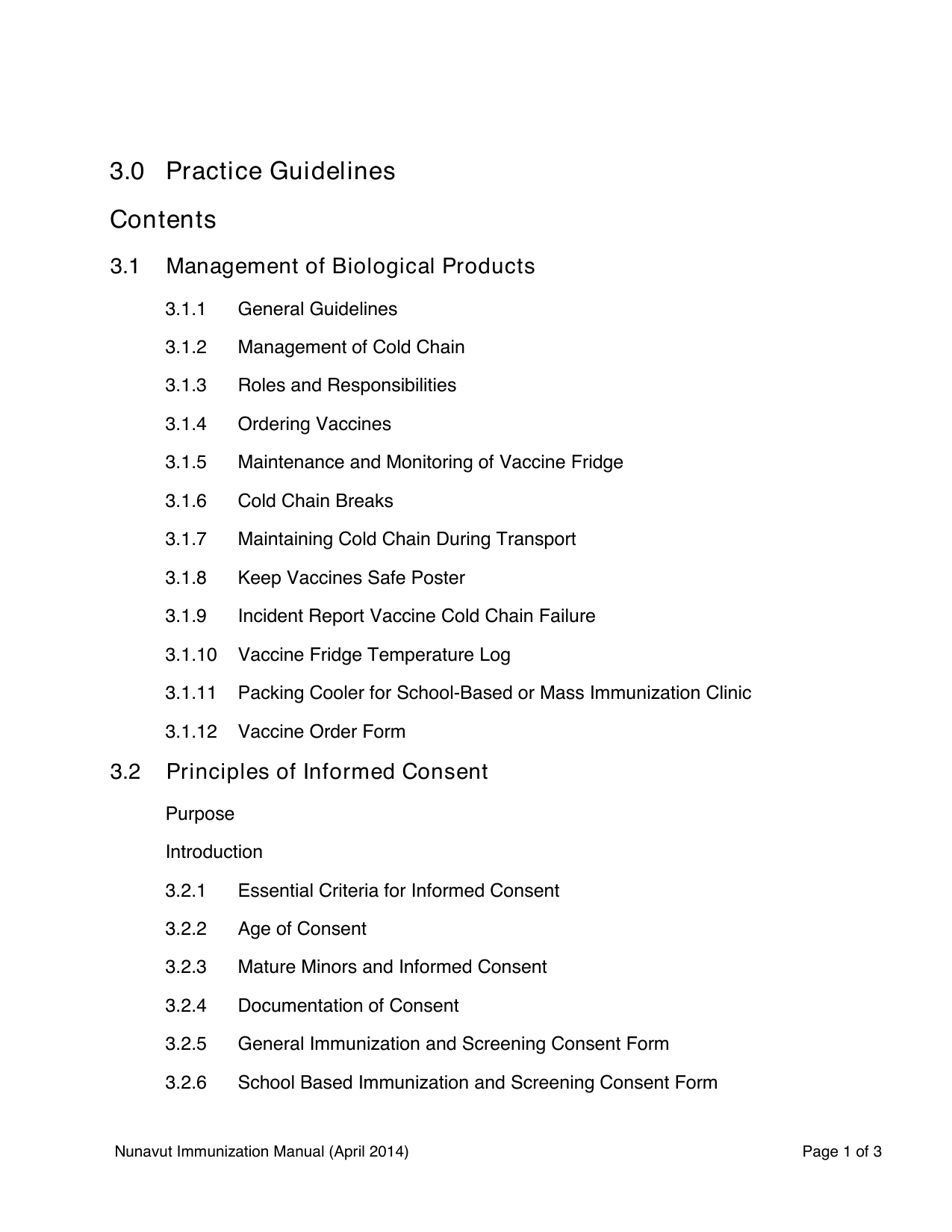
Understanding Nunavut’s Cold Chain Practice Guidelines
The Nunavut Immunization Manual Cold Chain Practice Guidelines set out how vaccines are stored and handled across the territory. The guidance aligns with the National Vaccine Storage and Handling Guidelines published by the Public Health Agency of Canada (PHAC) and applies to sites that store and administer vaccines.
Guideline Scope
These guidelines apply to:
- Community Health Centres
- Remote Nursing Stations
- Hospitals
- Pharmacies
- Public Health Units
Key Storage Requirements
Nunavut cold chain requirements include:
- Temperature Range: +2°C to +8°C
- Refrigeration: A purpose-built (laboratory or pharmacy grade) refrigerator is the standard for storing vaccines
- Monitoring: Vaccine fridge temperatures must be monitored and recorded on a temperature log
- Cold Chain Breaks: Affected vaccines quarantined and not used until assessed, with an incident report completed
- Stock: Orders placed using the vaccine order form, with stock rotation
Management of the Cold Chain
Effective management of the cold chain depends on continuous monitoring and recording of vaccine fridge temperatures. Staff record temperatures on a temperature log to demonstrate that vaccines remain within +2°C to +8°C.
ATEK supports cold chain management with:
- Continuous temperature readings
- Multi-channel alerts (SMS, email, phone)
- Cloud-based data storage
- Automated temperature logs
Roles and Responsibilities
Sites must assign clear roles and responsibilities for cold chain management, including:
- Daily monitoring and recording of storage temperatures
- Responding to temperature alerts
- Managing cold chain breaks
- Maintaining documentation
- Ensuring staff training
Cold Chain Break Procedures
When a cold chain break occurs, Nunavut requires:
- Quarantine: Mark affected vaccines “DO NOT USE” and store separately
- Do Not Use: Do not use affected vaccines until they are assessed
- Report: Complete a cold chain break incident report
- Assessment: Wait for guidance before discarding any vaccines
ATEK automatically captures all data needed for incident reports:
- Exact time the break began and ended
- Minimum and maximum temperatures during the event
- Duration of the temperature deviation
- Complete audit trail for review
Equipment and Stock Management
Approved Refrigeration
A purpose-built (laboratory or pharmacy grade) refrigerator is the standard for storing vaccines and should be dedicated to vaccine-only storage.
Stock Rotation
Vaccine orders are placed using the vaccine order form, and stock is rotated so vaccines closest to expiry are used first, reducing waste.
Staff Training
Nunavut expects that all personnel handling vaccines complete training on vaccine storage and handling and understand cold chain break response. ATEK’s user-friendly dashboard supports training by providing intuitive access to monitoring data and clear alert management.
How ATEK Supports Nunavut Compliance
ATEK monitors vaccine storage temperatures continuously, providing readings around the clock, immediate alerts when temperatures approach limits, and complete temperature history aligned with the PHAC National Vaccine Storage and Handling Guidelines that Nunavut follows.