Spécifications
-
Measurement Unit: % (volume)
-
Reading Range: 0 to 100%
-
Resolution: 0.01%
-
Operating Temperature: -40 °C to +70 °C
-
Operating Humidity: 0 to 95% RH (without condensation)
-
Accuracy:
-
From 0 to 1%: ±0.06%
-
From 1 to 100%: ±6% of the reading
-
Applications
LNG Gas Leak
-
Gas station
-
Mine, Metallurgy, Oil and Gas
-
Laboratory
-
Research
Description
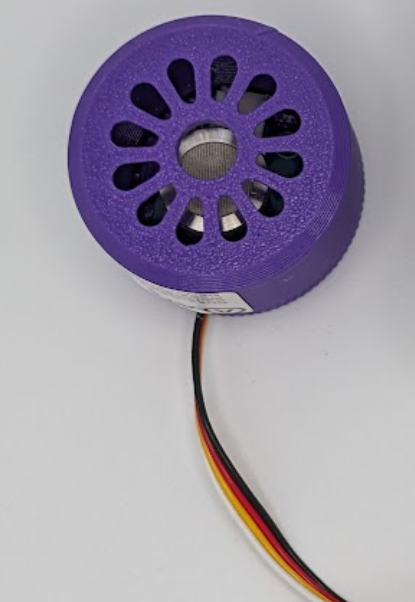
The methane gas sensor uses the principle of infrared detection to detect concentrations of flammable methane gas ranging from 0 to 100% in ambient environments.
Recommandations
We recommend performing a bump test every three months, given that the sensor is always at 0% (theoretically). It is crucial to regularly ensure that it is functioning correctly.
Below is a bump test procedure:
Procédure bump test CH4
Objective: To verify the proper functioning of a methane (CH₄) sensor by exposing it to a known concentration of gas to ensure it responds correctly to alarms.
Required Materials
-
CH₄ sensor to be tested
-
Lighter (to release gas without igniting the flame)
-
Safe and well-ventilated environment
Procedure Steps
1. Preparation
Disable alerts on the platform.
Ensure the sensor is clean and in good working condition.
Check that the transmitter battery is sufficiently charged.
2. Setup
Place the sensor in a safe and well-ventilated environment.
Prepare the lighter by ensuring it contains sufficient gas.
3. Gas Exposure
Press the lighter button to release gas without igniting the flame.
Direct the released gas towards the sensor until the screen updates.
4. Alarm Verification
Observe the transmitter’s response. It should trigger an audible alarm and display a non-zero %CH4 value when it detects the gas.
5. Recording Results
Document the test results, including the date, time, and sensor response.
Keep these records for future reference and regulatory compliance.
6. Cleaning and Return to Service
After the test, allow the sensor to purge in a clean environment to eliminate any residual gas.
Return the sensor to service if it has passed the test.