Best Practices
25 articles in this category
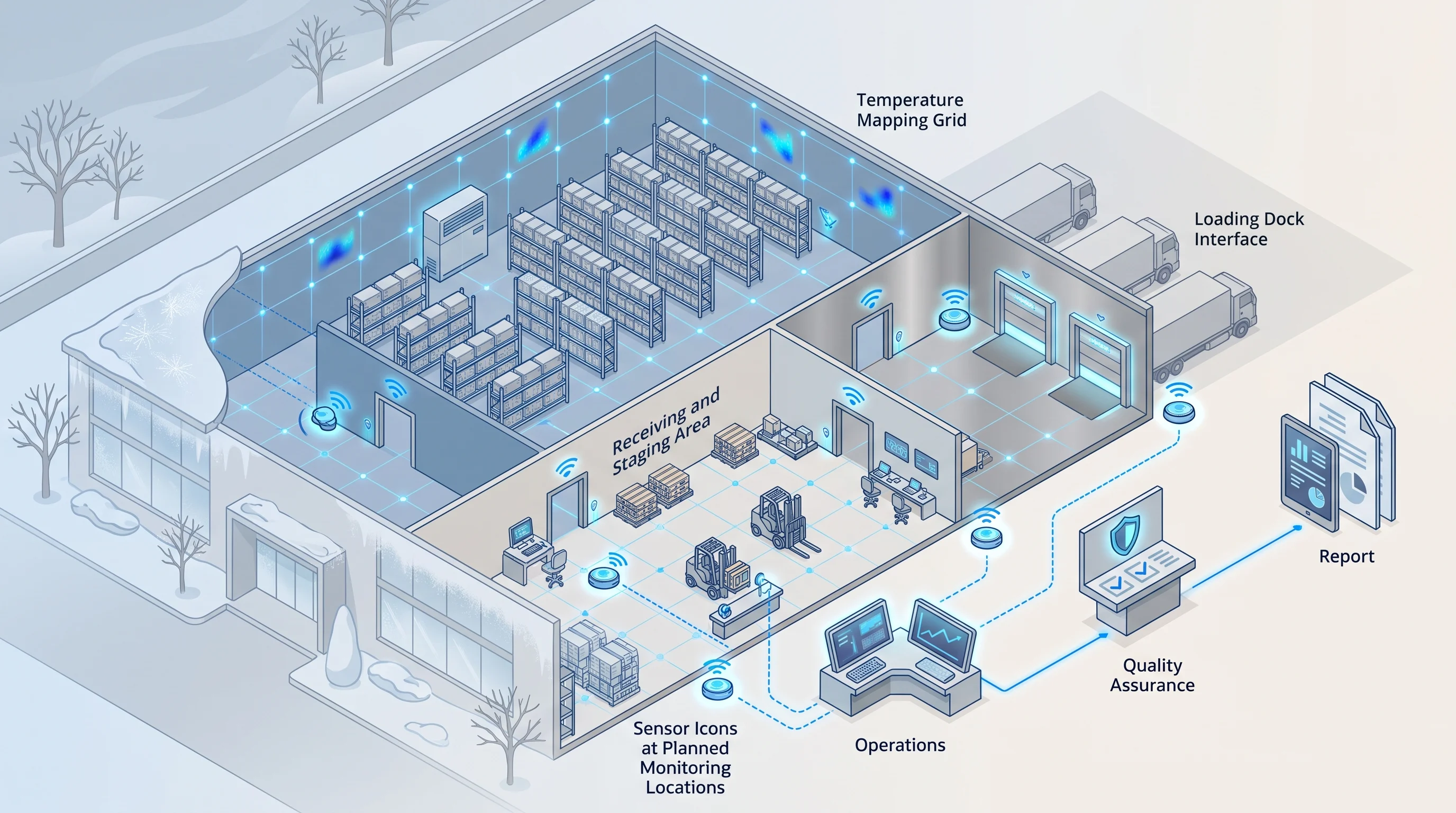
Pharmaceutical Warehouse Temperature Monitoring: Decisions Before You Place a Sensor
A practical planning framework for defining warehouse zones, mapping conditions, setting alerts, producing reports, and assigning response ownership without assuming one monitoring design fits every facility.
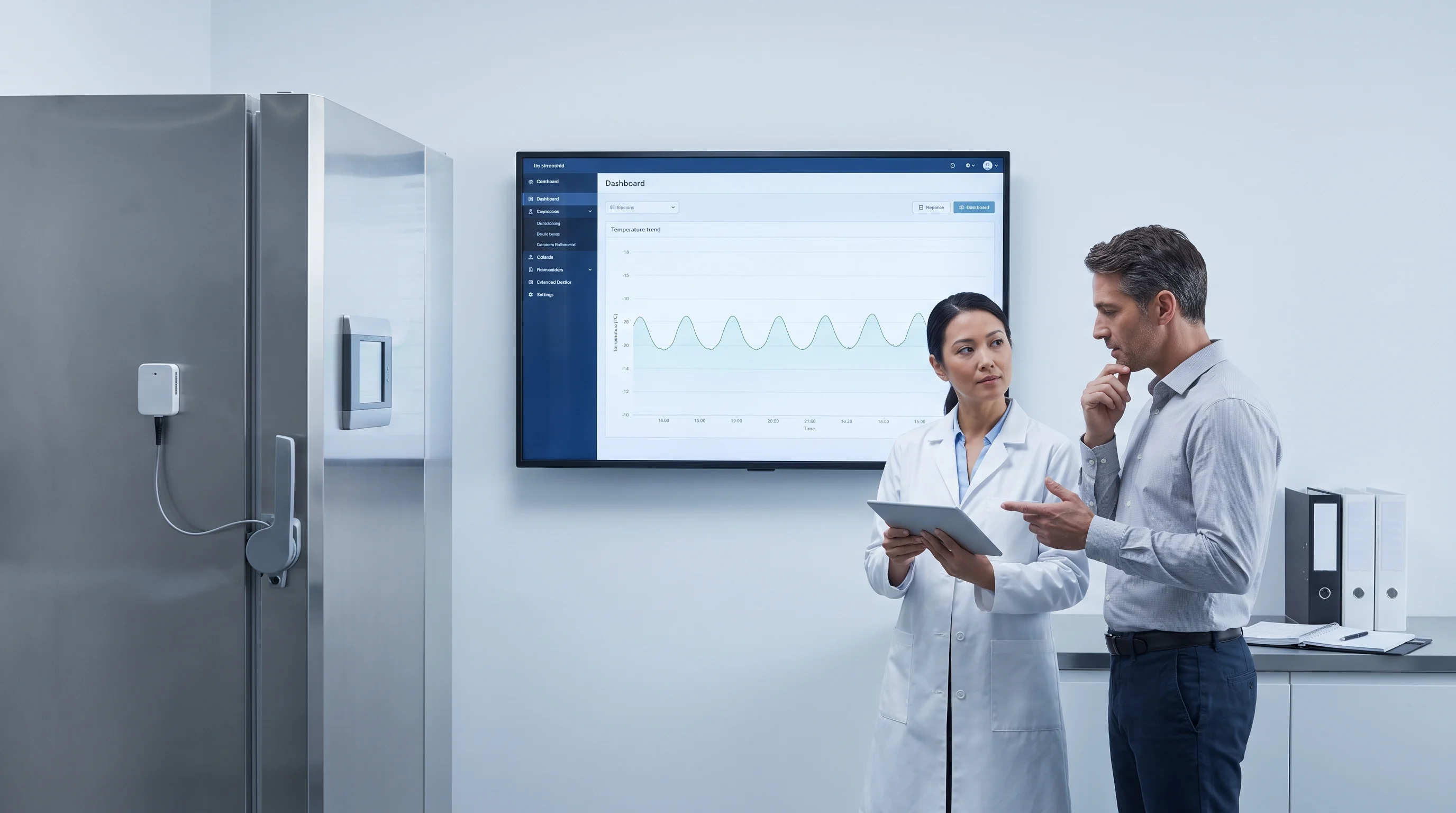
Monitoring Freezer Defrost Cycles Without Overreacting
Compare freezer defrost patterns, recovery time, probe placement, and alarm delays to decide which temperature events need investigation.
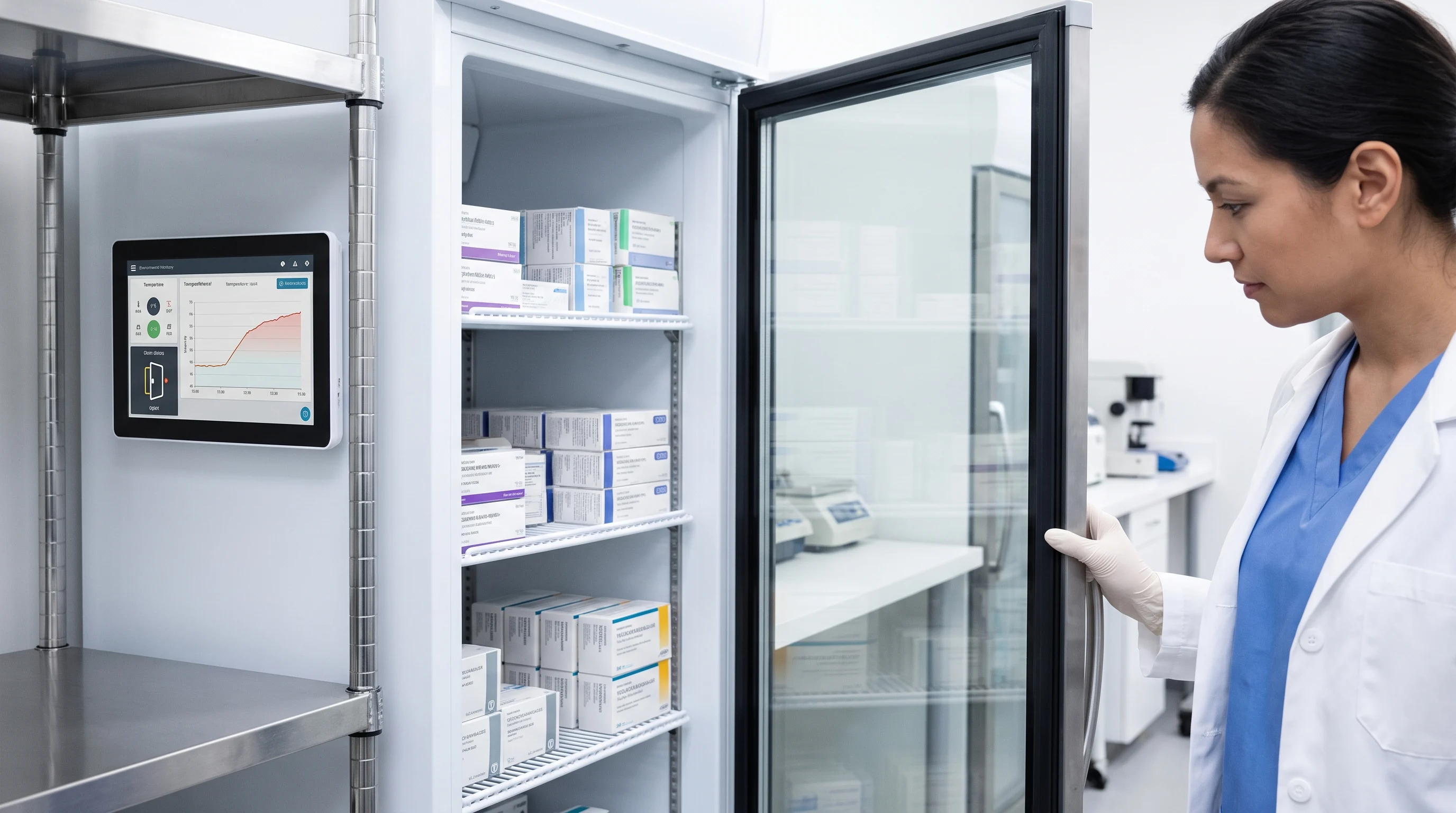
Door-Open Alarms for Medical Refrigerators and Freezers: What Needs a Response?
Set door-open alarms around normal access, after-hours response, and temperature trends. Closing the door is only one part of resolving the event.
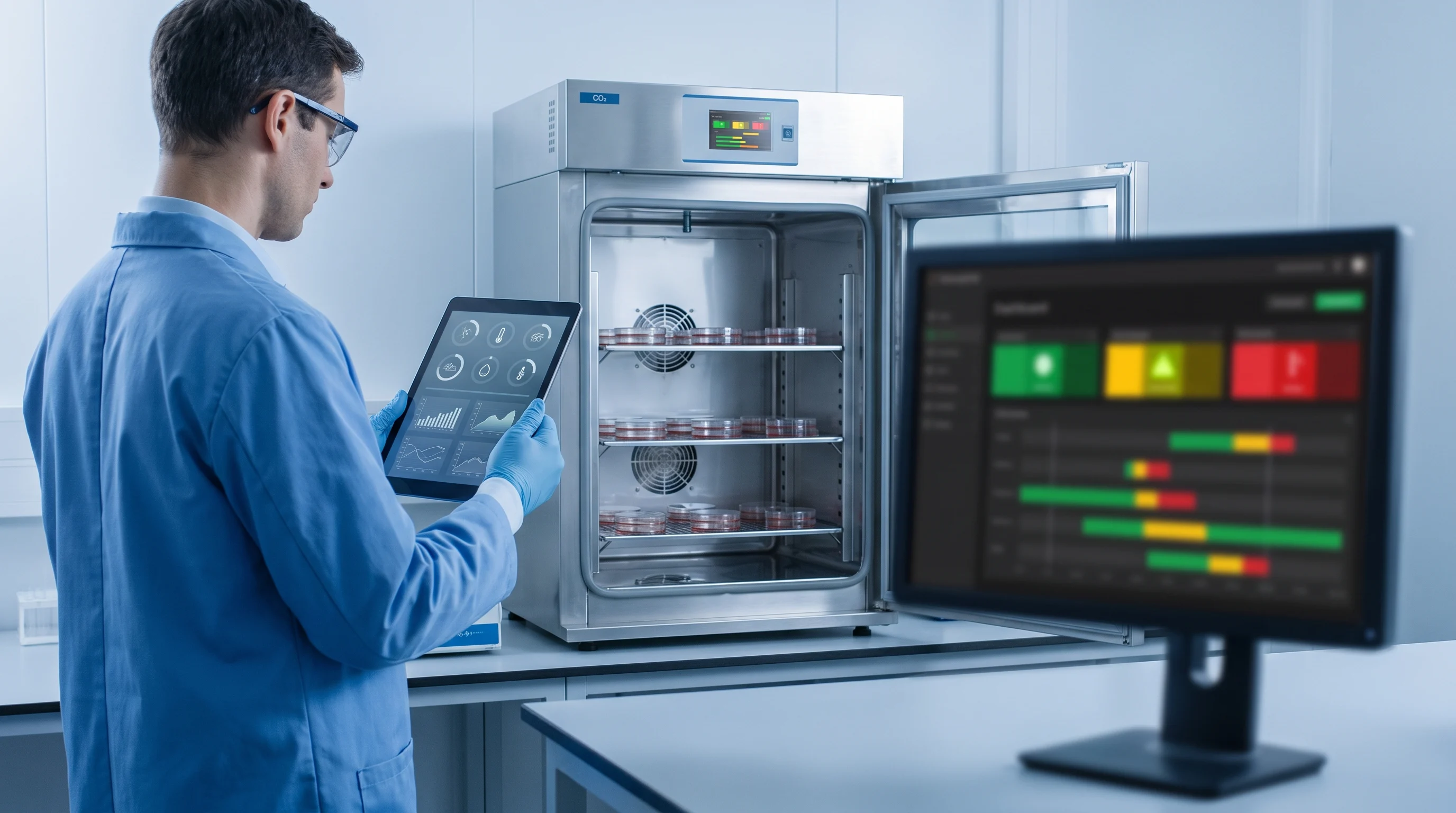
CO2 Incubator Monitoring: Read the Event, Not Just the Alarm
A practical method for aligning CO2, temperature, humidity, door, recovery, and response timelines without mistaking correlation for root cause.
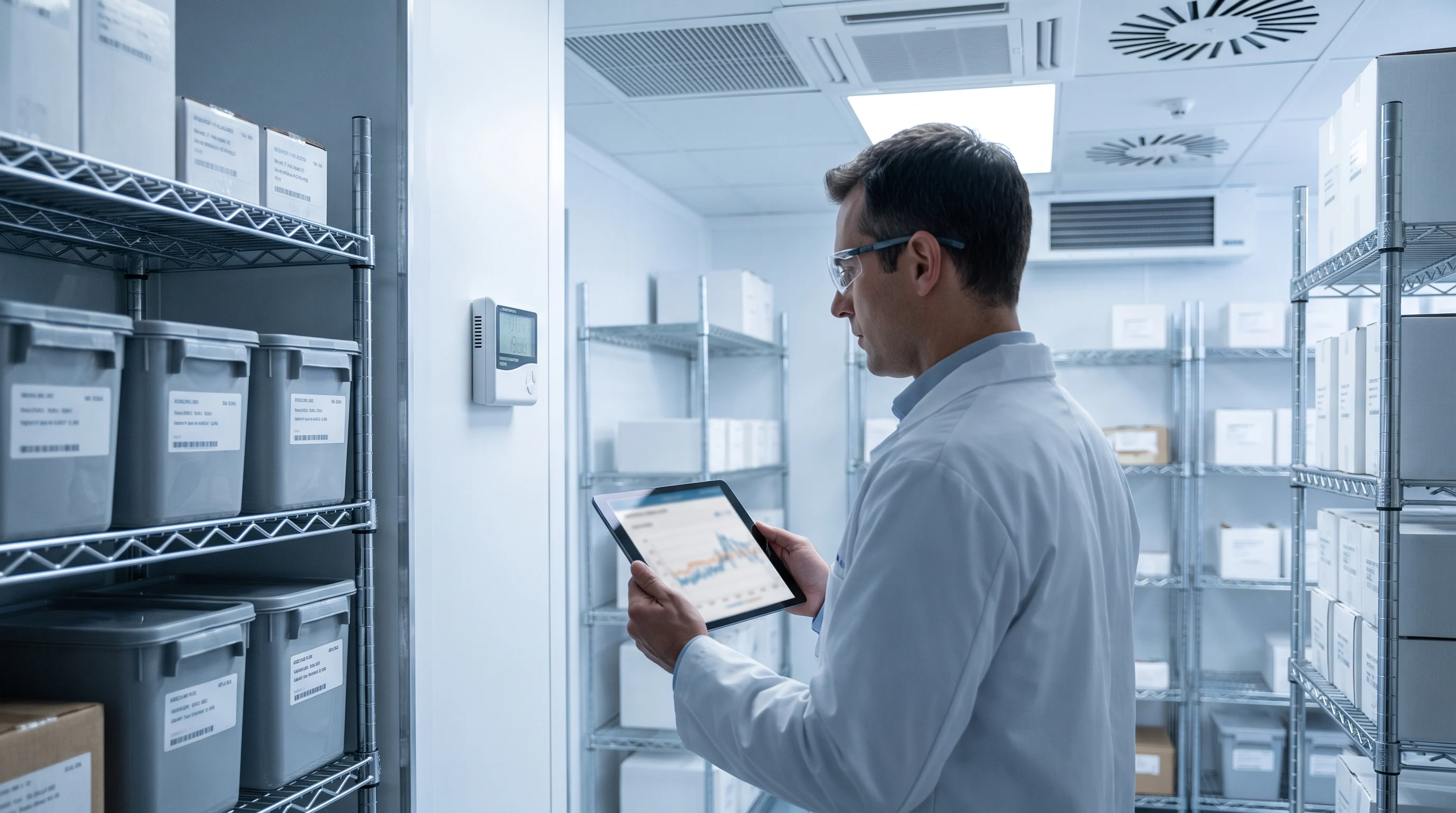
Actionable Humidity Monitoring: From %RH to a Defensible Storage Decision
A practical method for turning humidity trends, sensor location, alarm timing, calibration status, and investigation context into controlled-storage decisions.
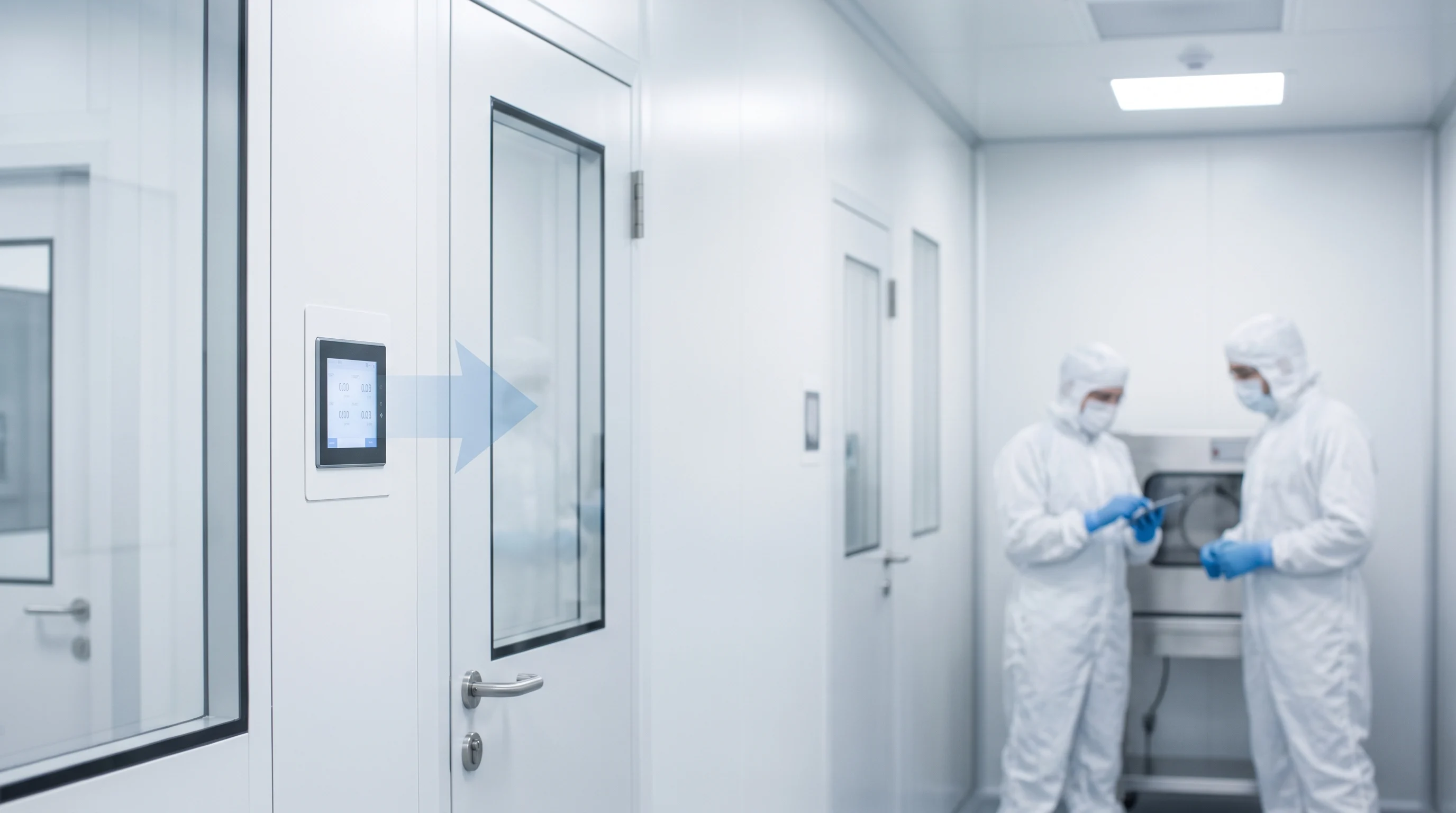
Differential Pressure Monitoring in Cleanrooms: Read the Boundary, Not Just the Number
Define cleanroom pressure boundaries, interpret disturbance and recovery, and build useful records for operations, facilities, and quality.
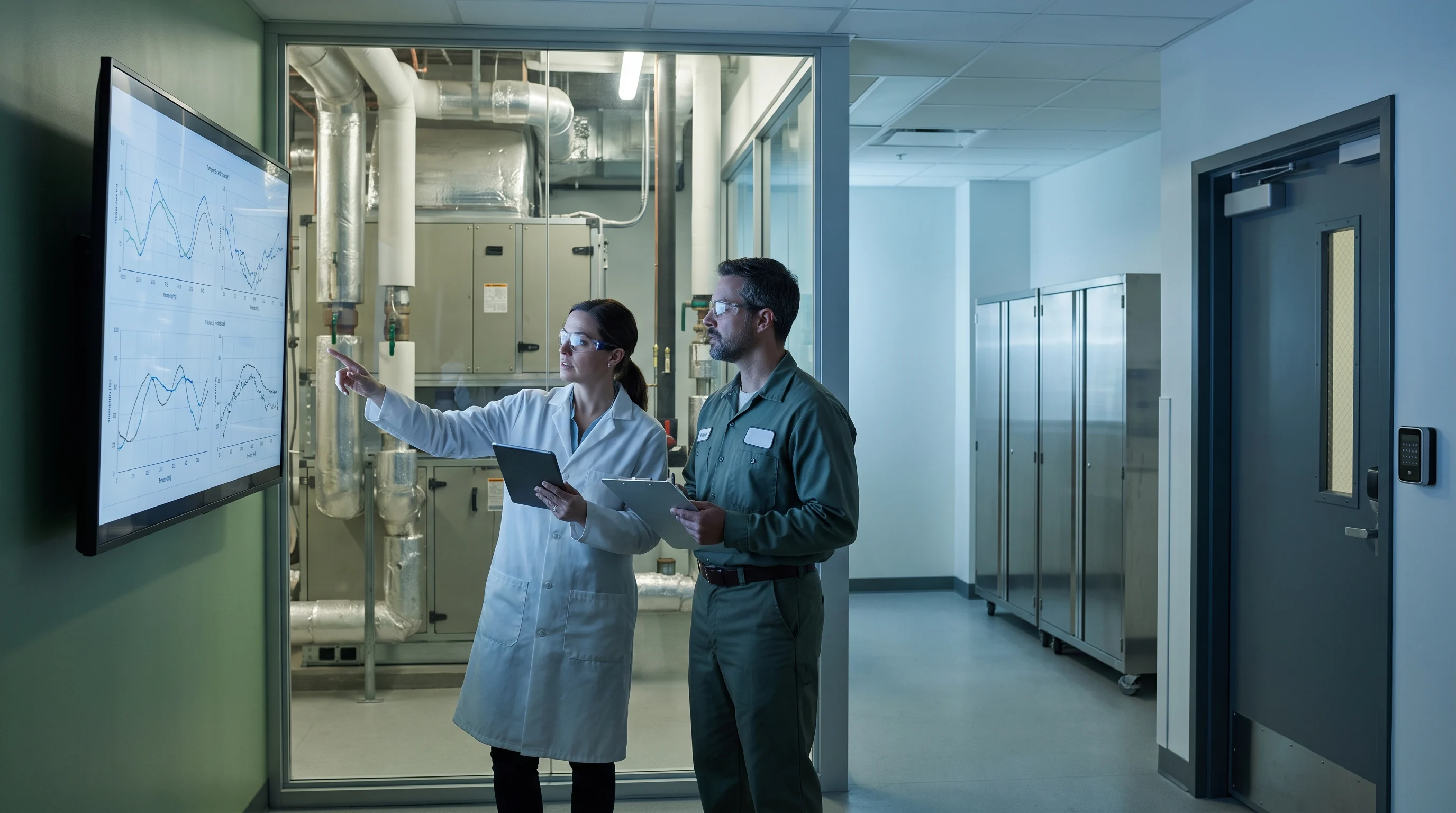
Seasonal HVAC Changes in Laboratories: Read the Trend Before the Alarm
A practical method for laboratory, facilities, and quality teams to detect shrinking HVAC recovery margin before seasonal temperature and humidity alarms repeat.
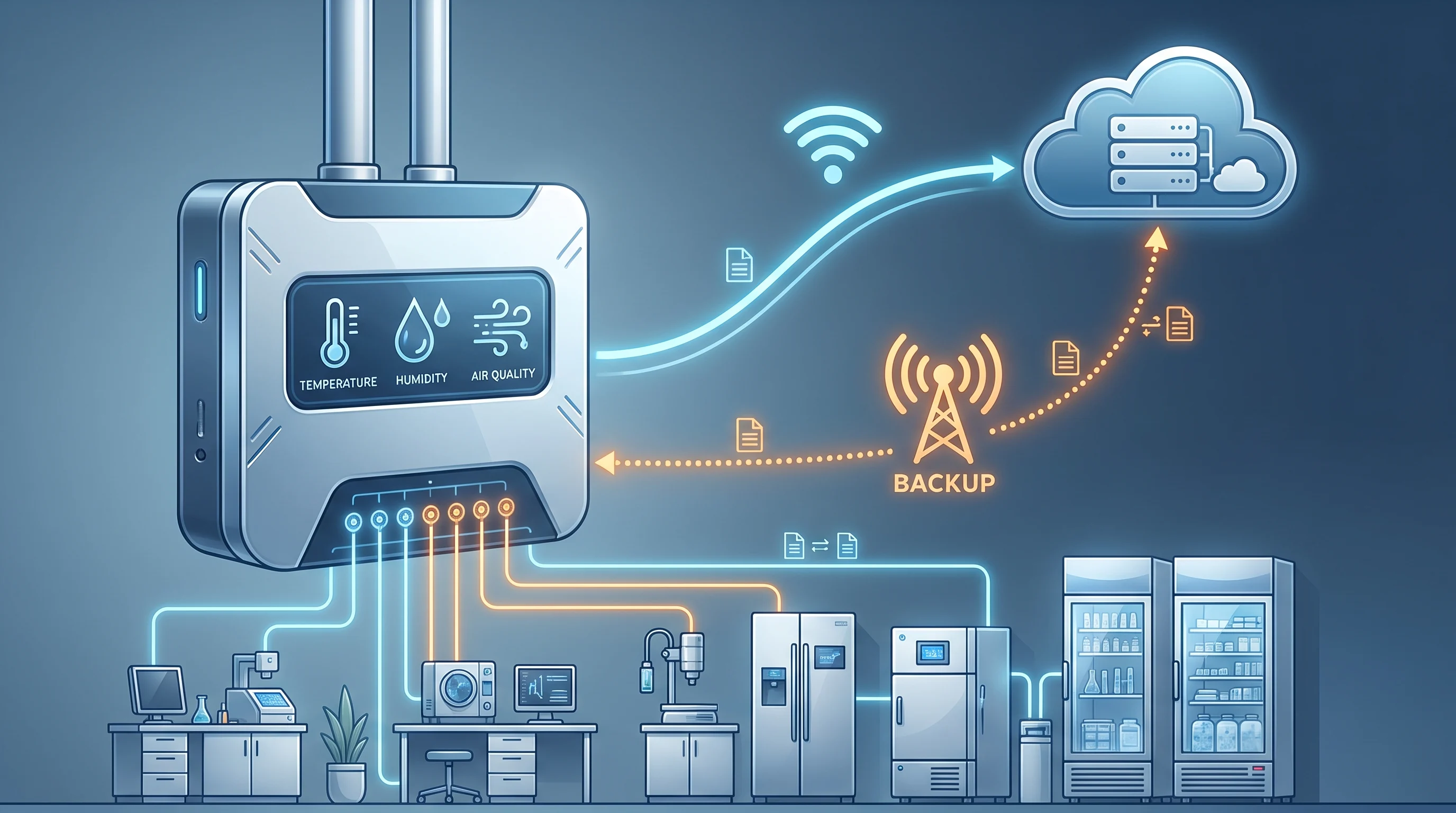
Why Backup Connectivity Matters for Critical Environment Monitoring Gateways
Network resilience for monitoring gateways: common connectivity risks and backup strategies for IT, facilities, and laboratory teams.
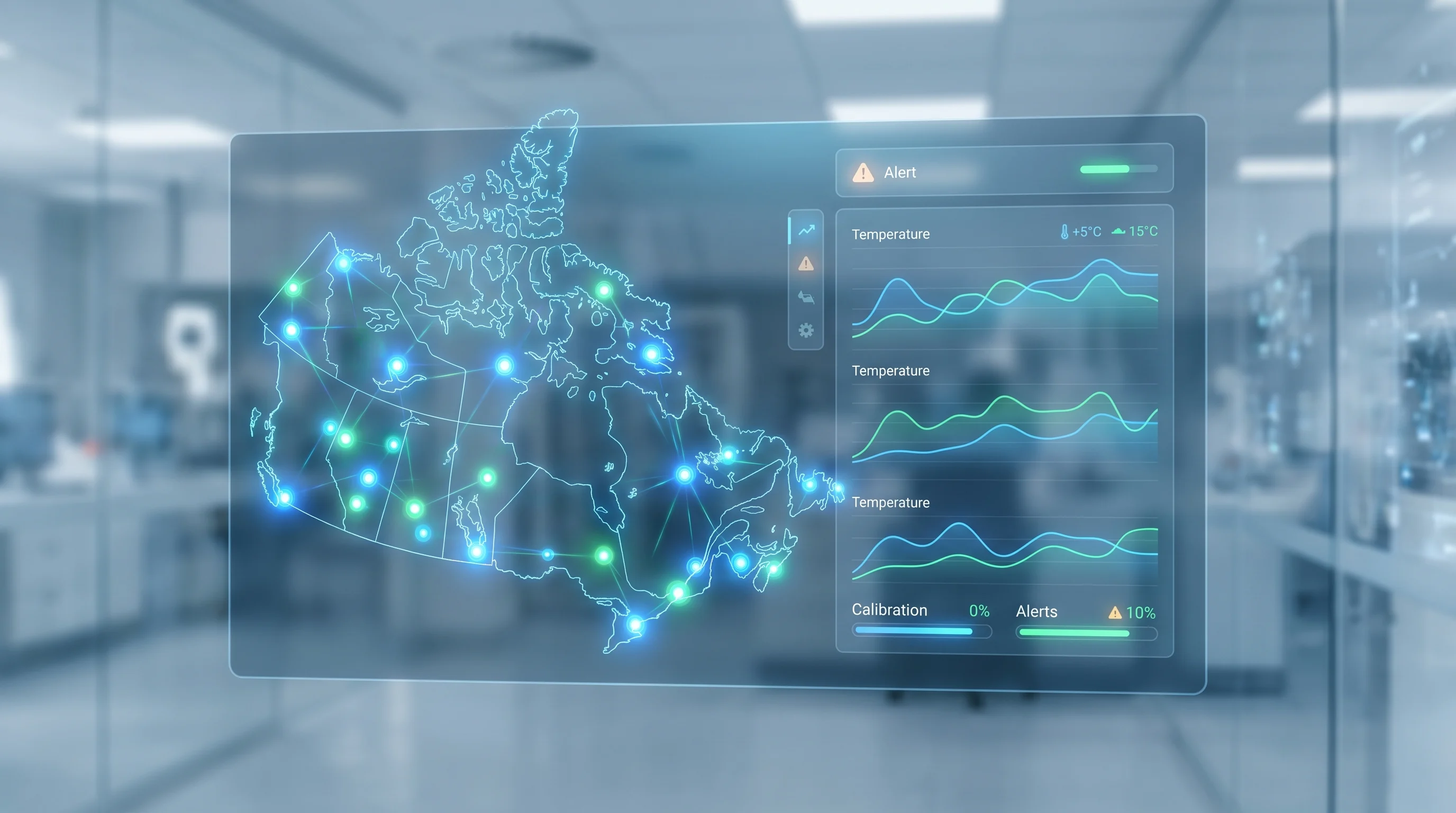
Standardizing Multi-Site Environmental Monitoring Without Losing Local Flexibility
How operations and quality leaders can use standardized monitoring rules, alarm templates, and escalation paths to gain cross-site visibility while preserving governed site-specific exceptions for Canadian pharmacies, labs, clinics, and research sites.
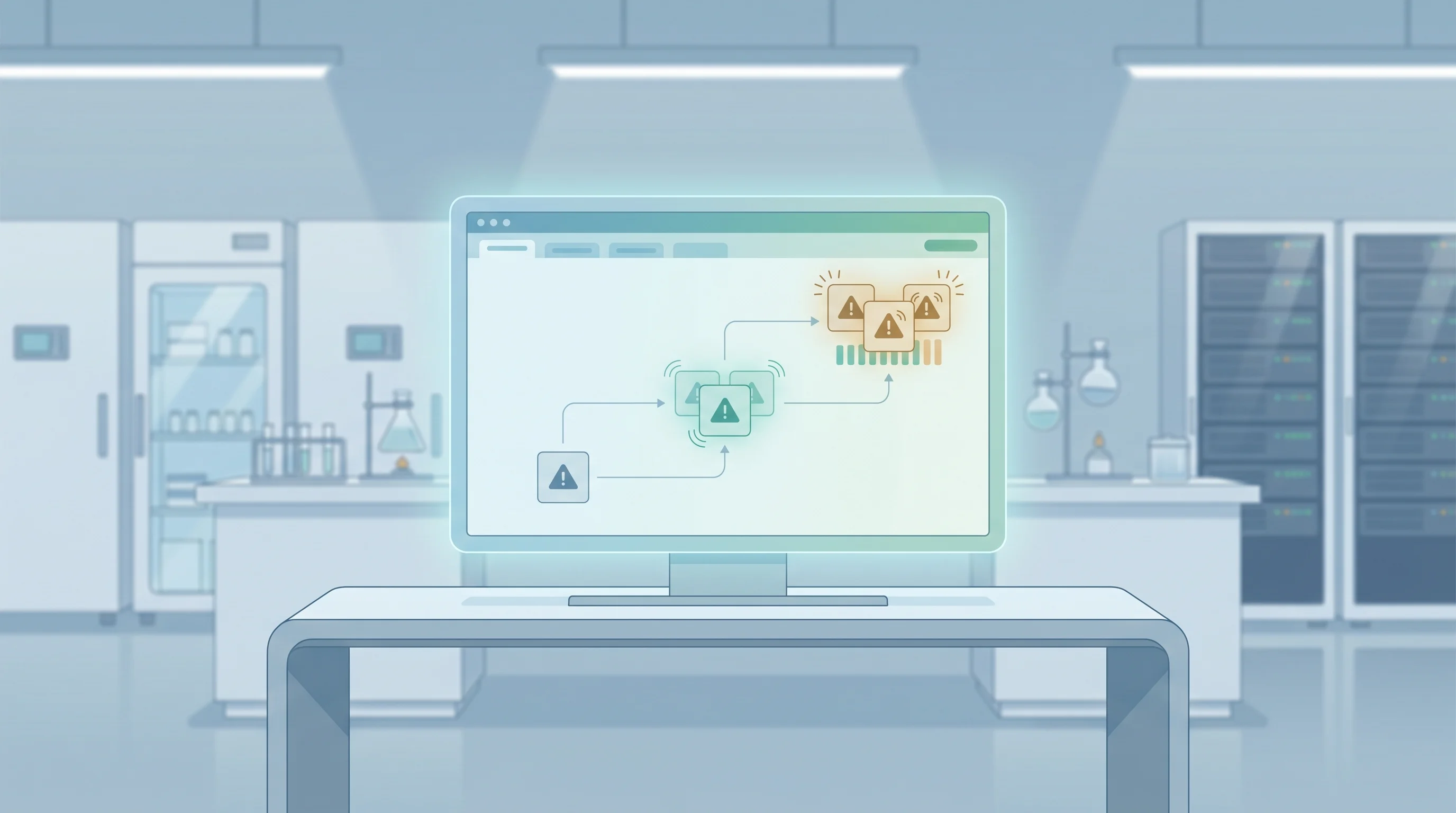
Alarm Fatigue in Environmental Monitoring: Designing Escalation Rules That Preserve Urgency
Set delay, acknowledgement, escalation, and review rules to reduce alarm fatigue and keep critical deviations urgent.
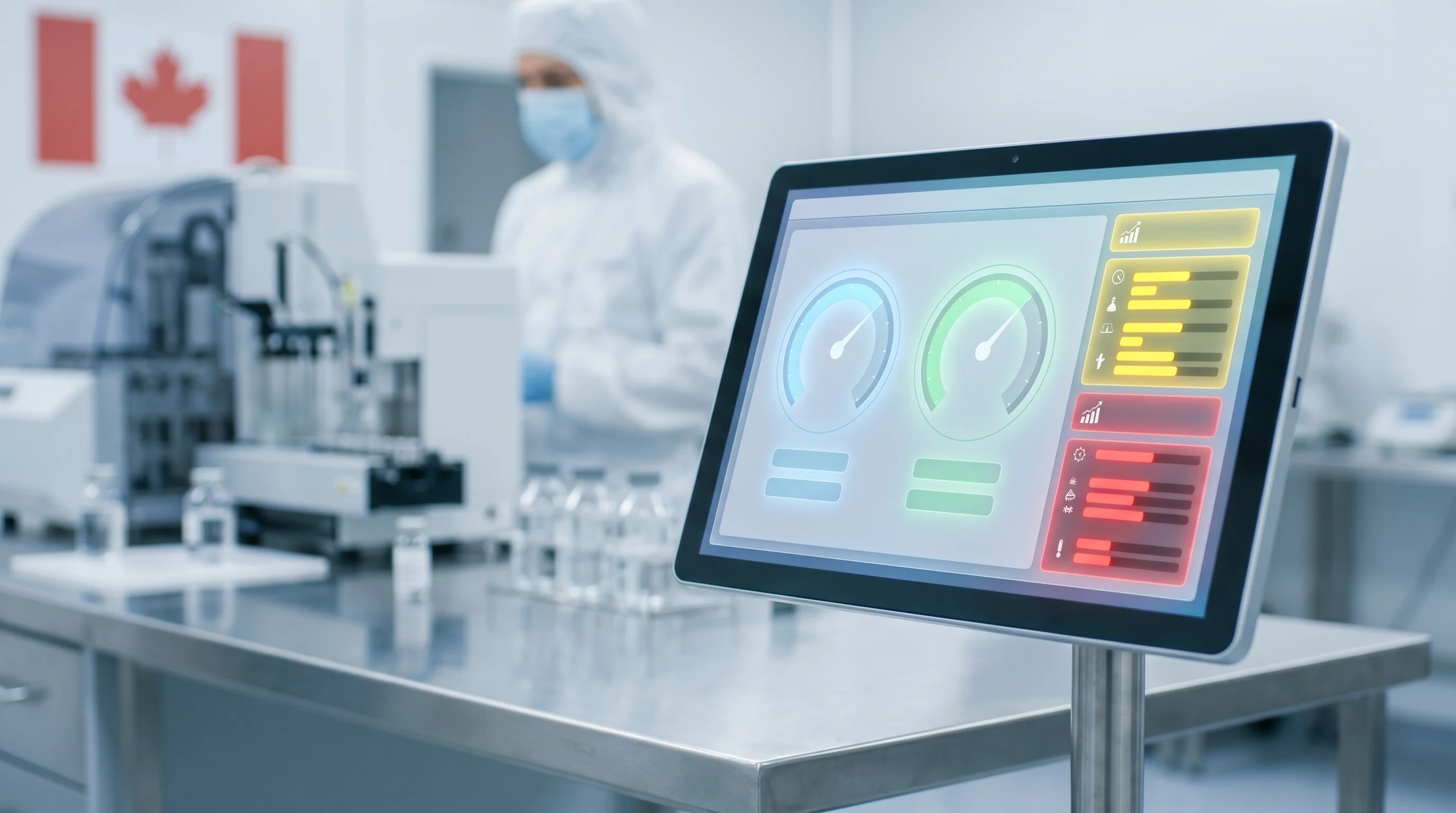
Combating Alarm Fatigue in Environmental Monitoring Systems
How noisy alerts erode response discipline and actionable steps to design escalation rules that preserve urgency in Canadian critical environments.
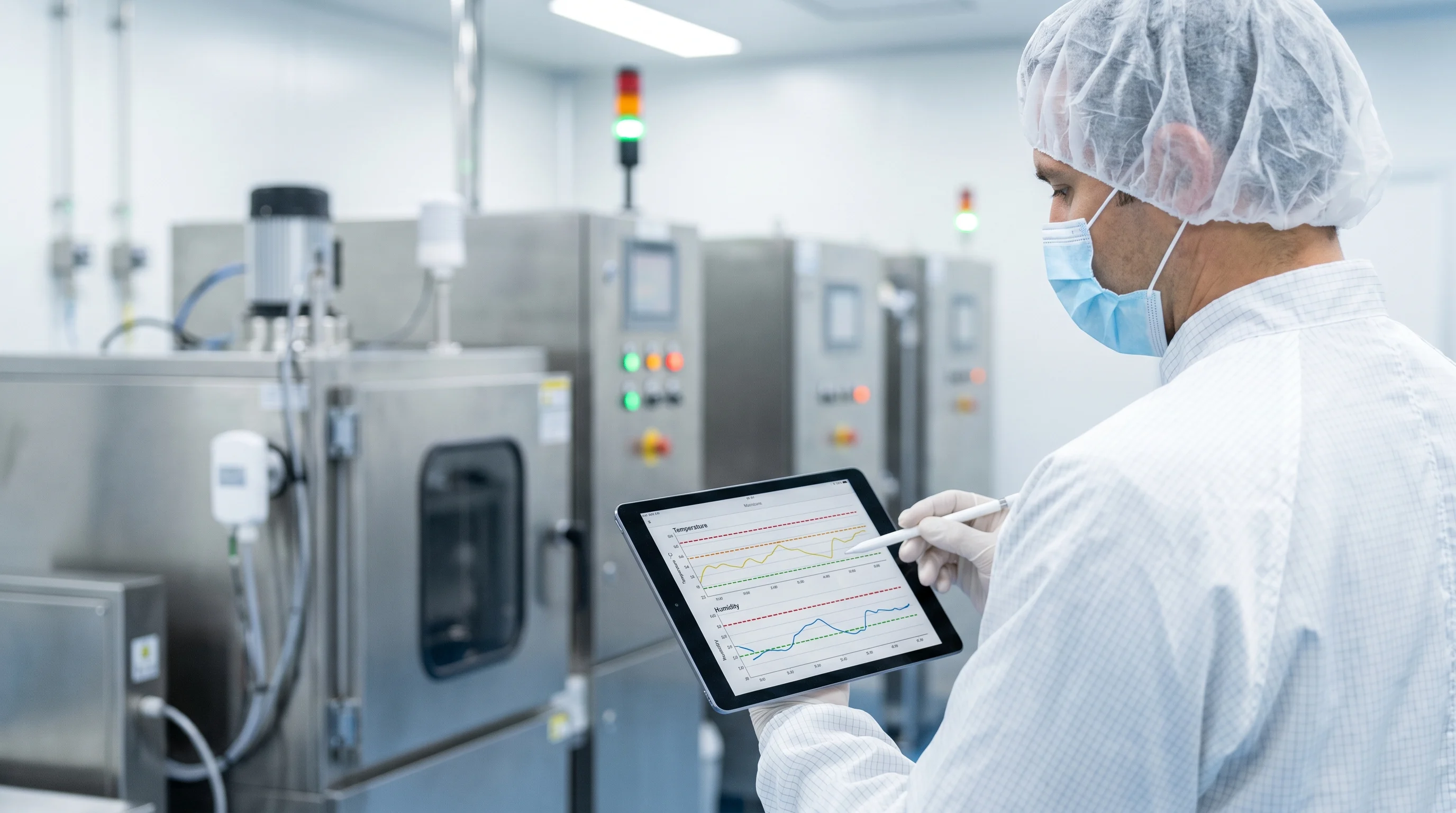
How to Set Environmental Monitoring Alarm Thresholds
Practical decision guidance for quality, pharmacy, laboratory, and facilities teams on configuring alert limits that are actionable, documented, and aligned with process risk.
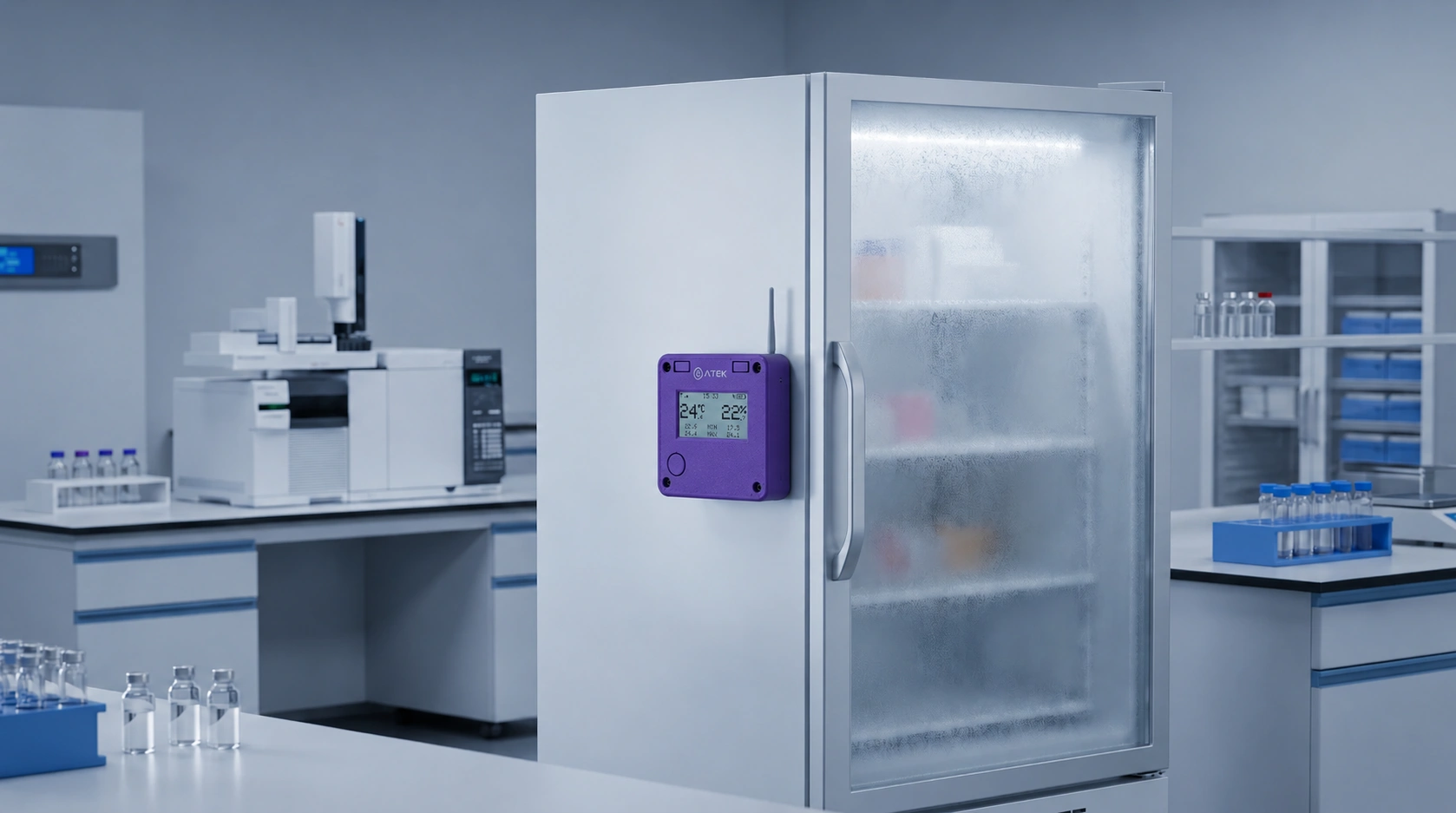
When Manual Freezer Checks Fail: What Automated Monitoring Changes for Labs
Manual freezer checks can prove that someone looked at a display. They cannot prove what happened overnight. Here is what changes when lab freezer monitoring becomes continuous.

How to Install a Temperature Probe in a -80°C Freezer
Learn the correct way to install monitoring probes in ULT freezers - why port access matters, how ice builds up, and where to drill safely.

Ice Buildup in -80°C Freezers: Why It Happens and How to Prevent It
Ice accumulation in ULT freezers reduces cooling efficiency, extends recovery time, and threatens samples. Learn practical prevention strategies.

Room Temperature Monitoring: The First Line of Defense for -80°C Freezers
Why ambient monitoring in ULT freezer rooms is critical. Each 1°C rise increases compressor load 2-4%. Learn the layered defense strategy.

Manual Temperature Monitoring in Pharmacies: Risks and Limits
Explore the challenges and limitations of manual temperature monitoring in pharmaceutical environments, and learn why automated systems provide superior protection for medication integrity.
Protect Your ULT Freezers from Heatwaves
Learn how to protect ultra-low temperature freezers during extreme heat events with three layers of monitoring: internal temperature, ambient conditions, and backup ventilation systems.

Securing your Laboratory During Extended Absences [Practical Guide]
A comprehensive guide to protecting your laboratory equipment and samples during holidays, weekends, and other extended staff absences with proper monitoring and preparation protocols.

Cold Chain Monitoring Best Practices for Pharmaceutical Distribution
Temperature monitoring, excursion management, and regulatory compliance practices for pharmaceutical cold chain distribution.

The Importance of Monitoring Liquid Nitrogen Level in Cryogenic Tanks
Learn how an LN2 low-level probe detects when liquid nitrogen drops below a chosen refill point, complementing cryogenic temperature monitoring.

Product Spacing in Refrigerators
Discover why product spacing in vaccine refrigerators is crucial for maintaining uniform temperature and how to resolve temperature alert issues.

Minimizing the Impact of Power Outages
Practical guide to reducing the impact of power outages on the quality of products stored in your refrigerators.

Preventing Mold Growth in Refrigerators
Practical guide to preventing mold development in medical and pharmaceutical refrigerators and maintaining a healthy storage environment.

Reducing Temperature Variations in Refrigerators
Practical guide to reducing temperature variations in medical and pharmaceutical refrigerators by increasing thermal inertia.